Science Communication
Overview
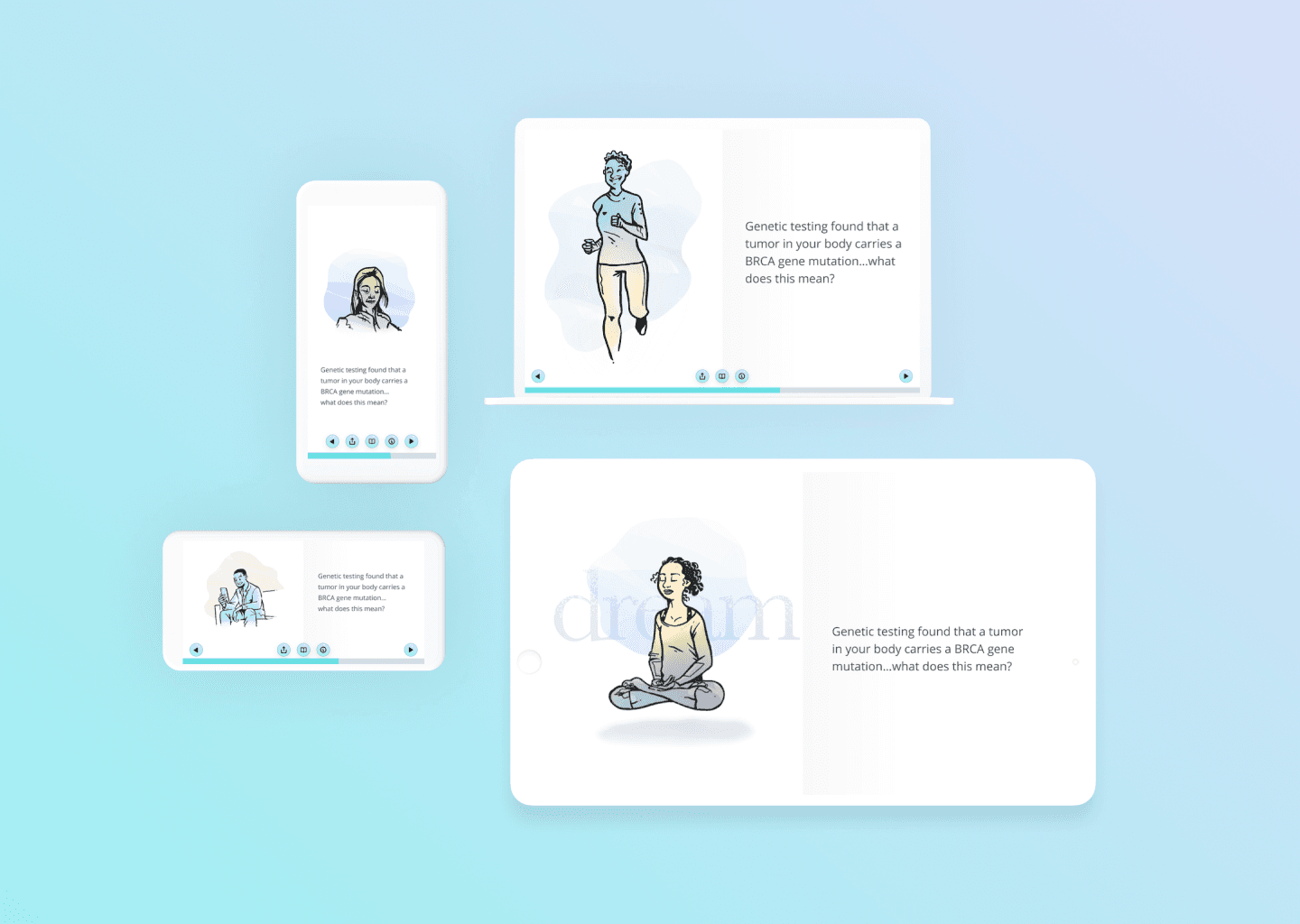
Most health and science communication fails before it starts. Dense PDFs, academic language, and formats designed for specialists rather than people. Lifeology was built to fix that.
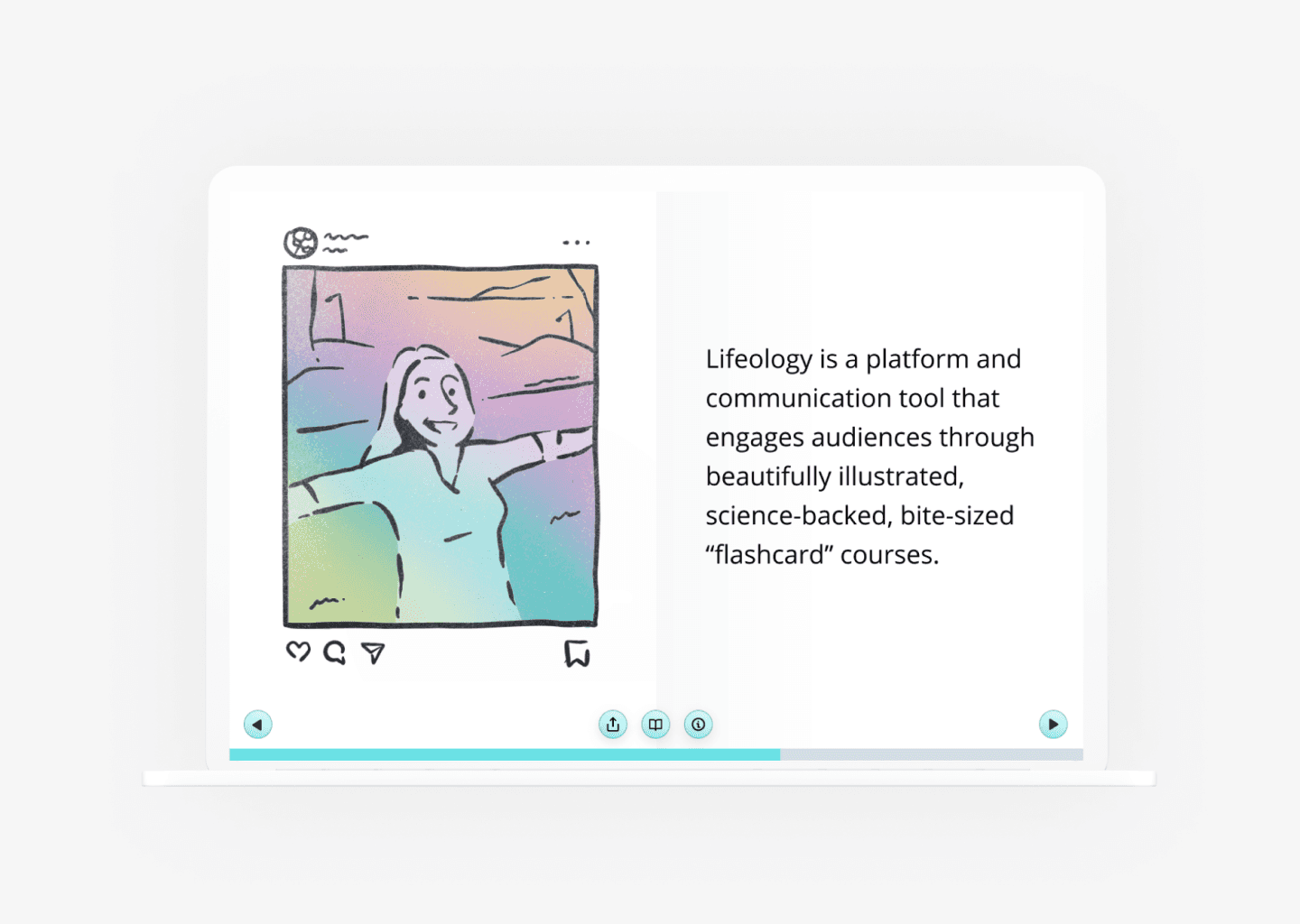
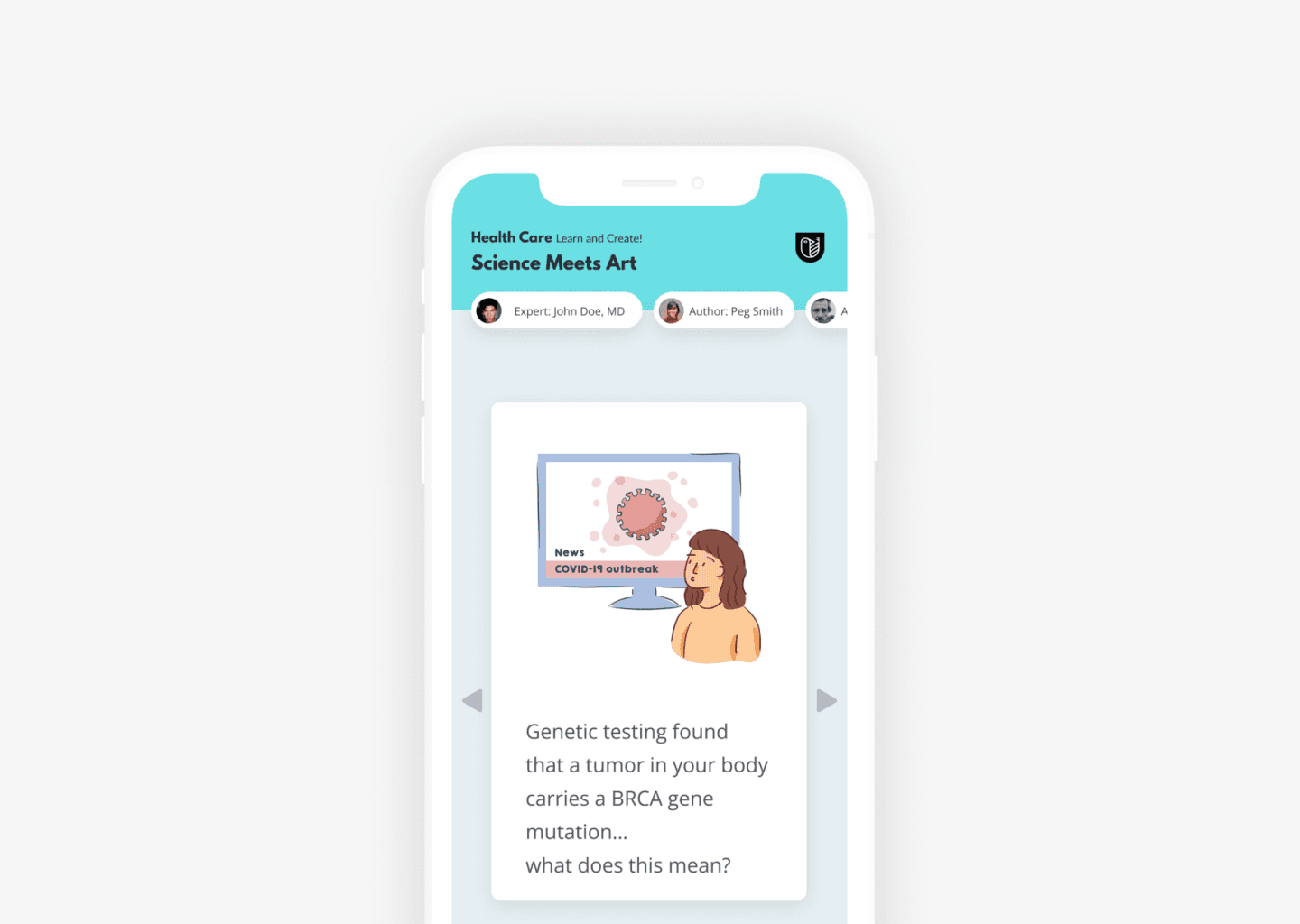
As co-founder and design lead, I shaped the product from concept through acquisition, defining the visual language, interaction model, and brand identity of a platform that made complex science and health information genuinely accessible through illustrated, bite-sized flashcard courses. The platform attracted enterprise clients including Eli Lilly, Indiana University Health, Pennington Biomedical, and Cecil County Health Department, and was eventually acquired by Fountain Life.
Approach
The core design challenge was hard: make something feel simple without dumbing it down. The audience ranged from research scientists to patients with low health literacy, and the content ranged from clinical trial recruitment to pharmaceutical education. One format had to serve all of it.
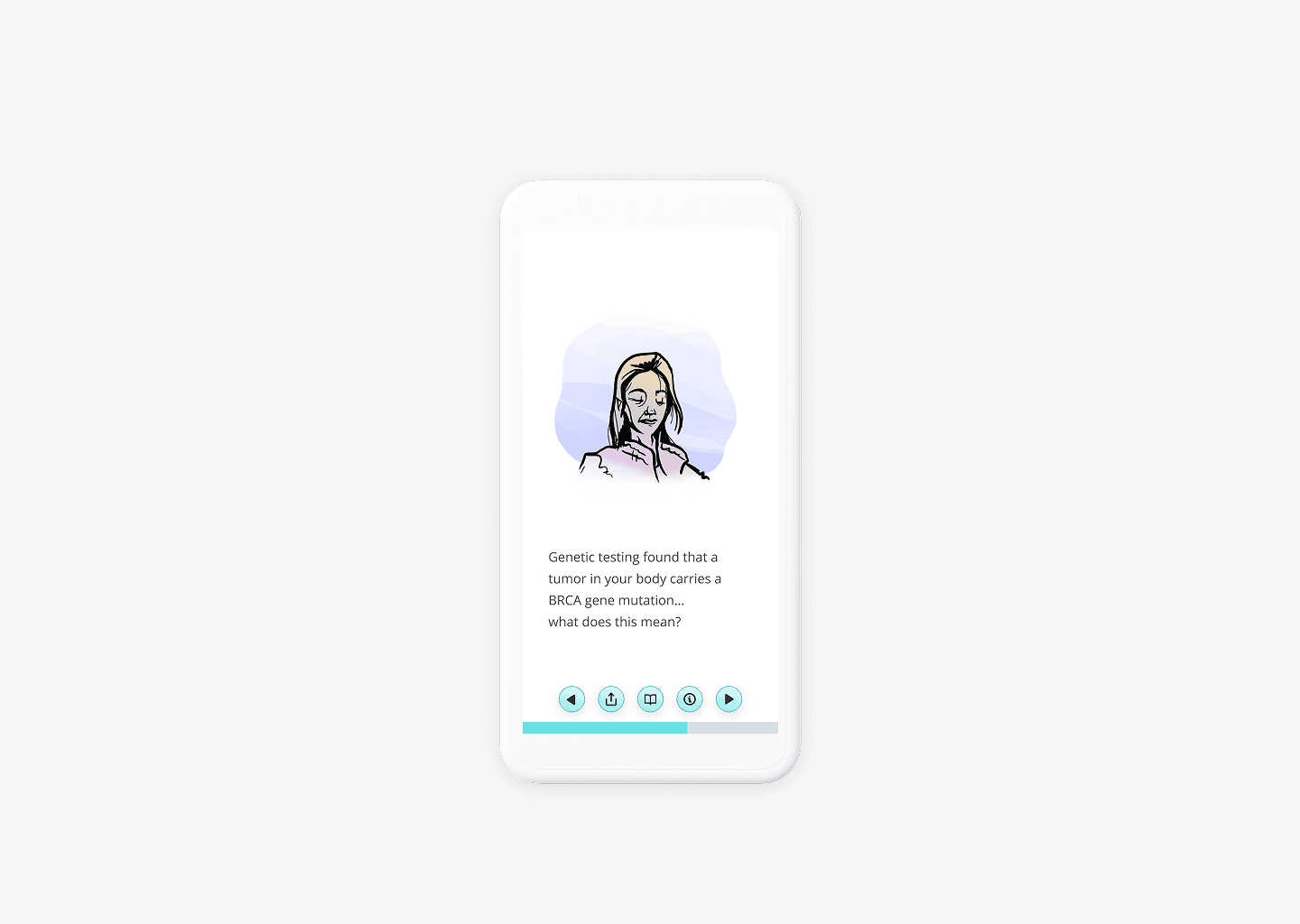
I established a mobile-first interaction model built around the flashcard metaphor, combining illustrated art, bite-sized copy, and self-paced progression. Every design decision was tested against one question: would someone with no scientific background understand this and want to keep going?
On the brand side, I built a visual identity that sat at the intersection of science and art. Warm, illustrated, and approachable without losing credibility. That positioning was deliberate: most health platforms look clinical by default. Lifeology needed to look like something you'd actually want to open.
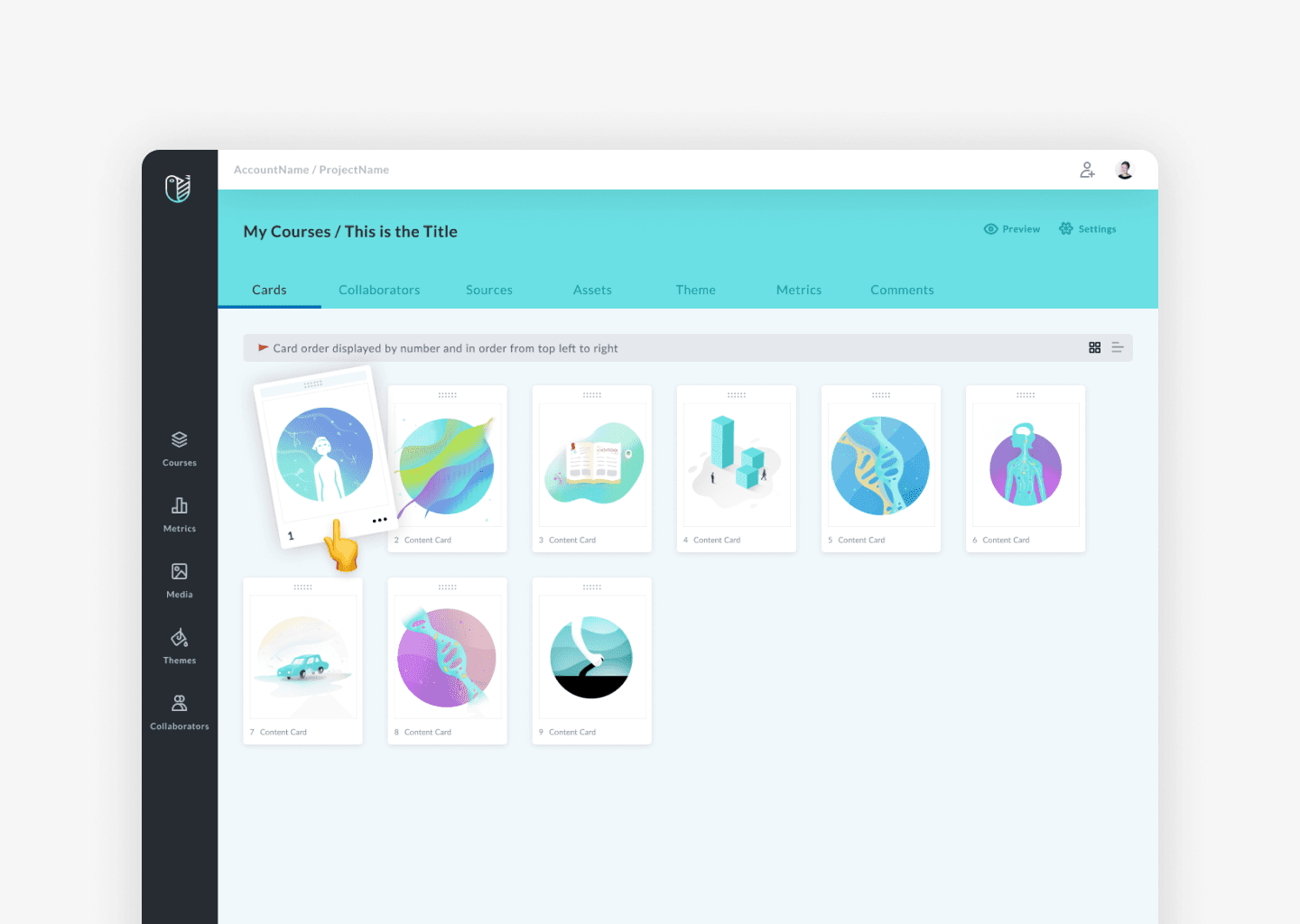
I also designed the course creation tools that allowed enterprise clients and community creators to build their own content within a consistent visual framework, which required balancing flexibility with brand integrity at scale.

Result
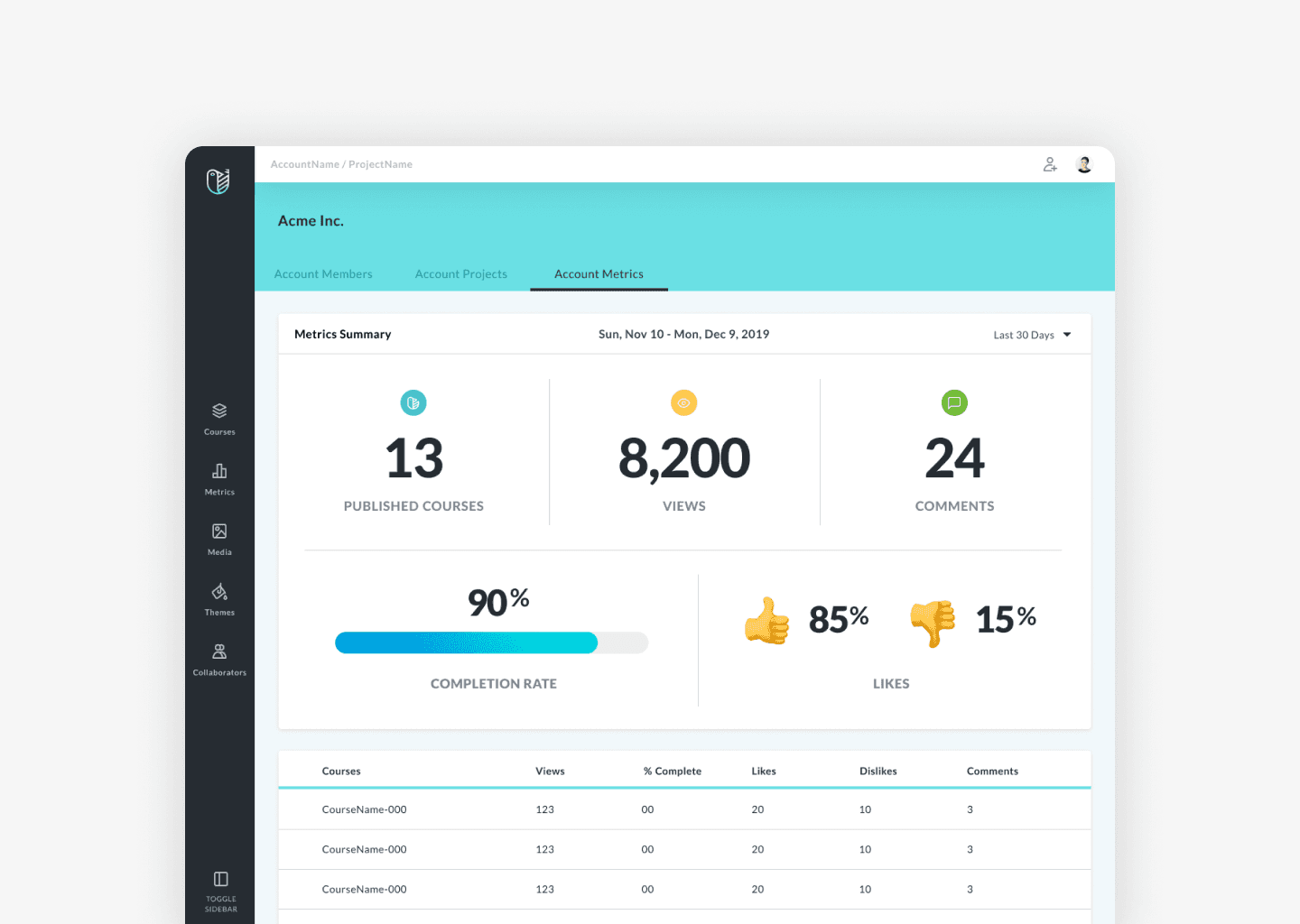
Lifeology grew into a platform trusted by major pharmaceutical companies, universities, and public health organizations to reach audiences that traditional materials couldn't. The illustrated flashcard format was validated through published research demonstrating measurable improvement in information accessibility and learner self-efficacy. The platform and its assets were acquired by Fountain Life, where the content model continued to inform patient education strategy.